An analogue world
A weekly conversation on some topics that were on @HT_ED's mind.

Regular readers of my newsletter, who are by now aware of my wide and indiscriminate reading choices, won’t be surprised to learn that I have read a fair share of dystopian, end-of-the-world books—and continue to seek out more. In some of these, the end of the world as we know it comes from a sustained and powerful EMP (electromagnetic pulse) that takes out all electronics, and everything dependent on electronics—including power grids, hospital equipment, and transport infrastructure. Even new cars—they have a lot of electronics—do not work. Nor do new aircraft (small, older ones, made in the 1970s and 1980s do).
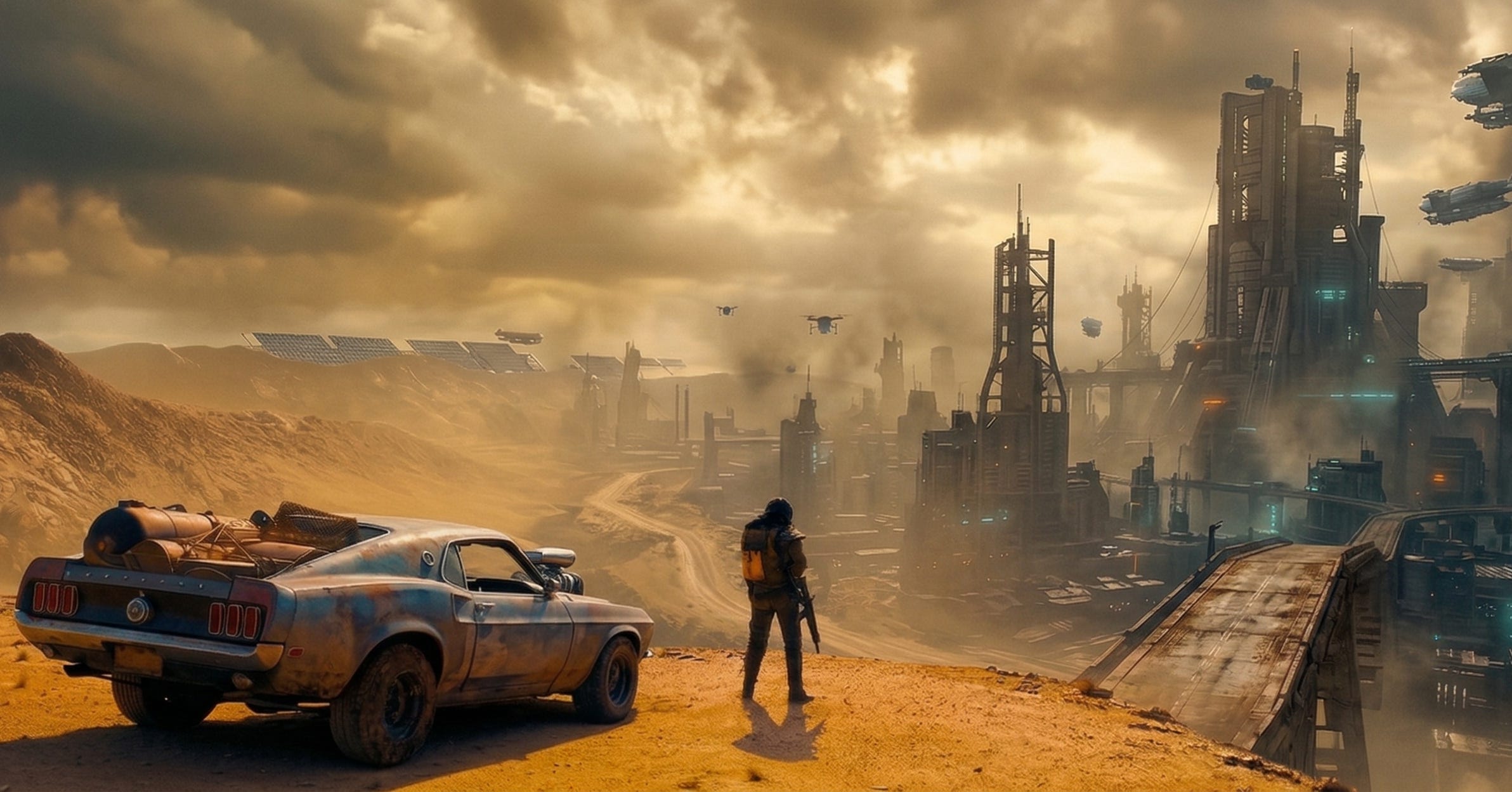
The only things and systems that work are analogue. To complete the loop, in many of these books, those who survive are people with such analogue devices and systems, or the ability to build them.
Electronics pervade everything; and over the past decade, we have also convinced ourselves that the digital economy is the only thing that matters. Only, it turns out, there’s an analogue component (or the equivalent of it) at the heart of it all.
I was reminded of this in a week when it has become amply clear, as the X handle of VC firm Andreessen Horowitz put it first—it’s entirely possible someone else said it before—“oil is the new oil”. The firm’s Substack had a nice article on the issue, one with an introduction that starts, “It’s an atom’s world, and the bits are just livin’ in it…”.
Or, to put it otherwise, it’s still an analogue world, however digital you want to imagine the present and the future.
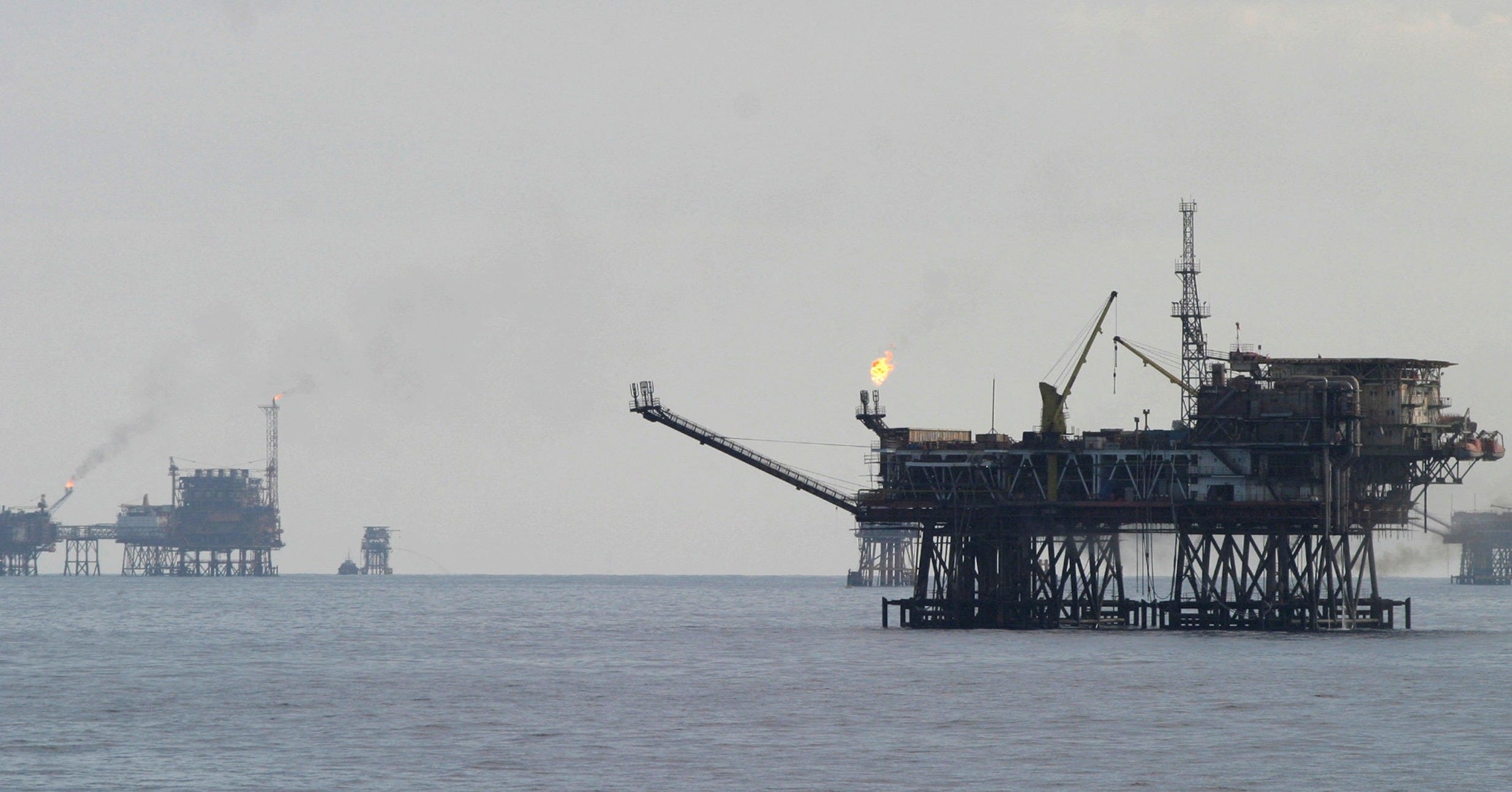
And fossil fuels—dirty as the word may have become—are at the core of everything analogue. For instance, natural gas is used as fuel by steel plants, with even those deploying electric arc furnaces using gas for auxiliary heating.
India may have been amiss in not building adequate strategic reserves of oil, and not building any strategic reserves of gas. And while it has the right ideas—green hydrogen can replace gas in most industrial contexts—progress is slow. Three years after India announced the National Green Hydrogen Mission, with the target of producing 5 million tonnes by 2030, the country doesn’t have much to show for it.
Indeed, the current energy shock—the impact on fuel supply, food production, and factory output will last for months even if the war ends today—should make policy makers understand the importance of renewable energy and atomic energy. (India also faces a second order shock from a reduction in remittances from West Asia—around a third of overall remittances).
I know it’s election season, but this, and not campaigning, is what everyone should be focusing on. The financial year hasn’t even started, and already, the basis for the numbers in Union Budget 2026-27, has changed (and how!).
Elections to the states of Tamil Nadu, West Bengal, Kerala, Assam, and the union territory of Puducherry were announced this week. Over the years, as I have written previously in this newsletter, elections look competitive during the campaign phase, opinion polls get things wrong almost as often as they get them right, and the verdicts are always decisive, almost one-sided.
In Tamil Nadu and Kerala, where the trend (with some exceptions) has been for the two main political dispensations to alternate in power, anti-incumbency is a significant factor. In the first, an upstart third force is threatening to play spoiler (the TVK has indicated, perhaps with more than a hint of hubris, that it wants to be king, not kingmaker), although I think it will fare quite poorly (I may be wrong), but the ruling DMK-led alliance seems to have a slight edge over the AIADMK-led NDA.
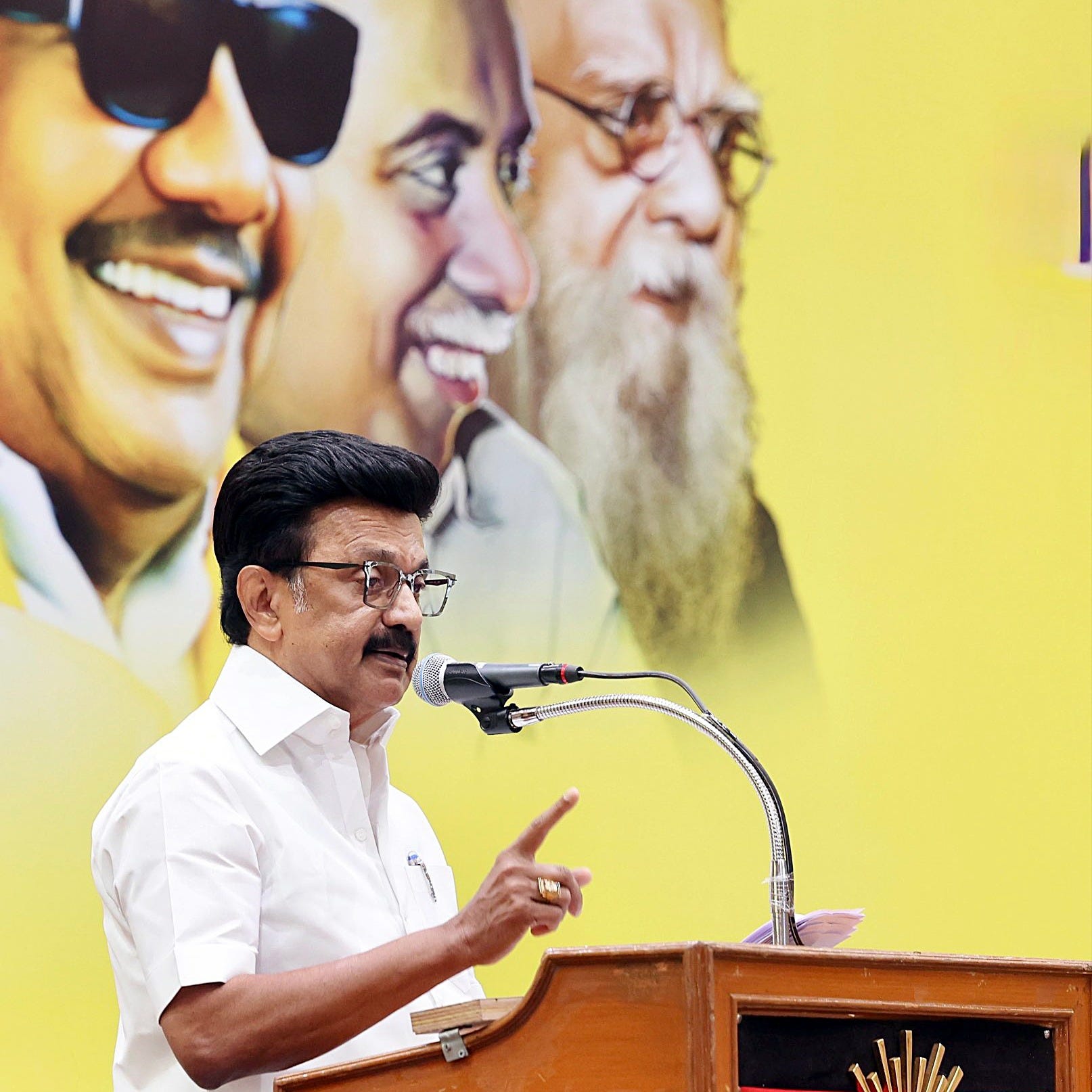
Both Dravidian parties seem cadre-based, and over the past decade, the DMK has held on to, and nurtured its cadre, even as the AIADMK has seen its fragment. In Kerala, the LDF bucked anti-incumbency to retain power in 2021, but it will be dependent on the Congress-led UDF’s missteps to win again (and some of this is already on display).
And in West Bengal, the BJP, which performed below-par in 2021, compared to its showing in the 2019 Lok Sabha polls in the state, will be hoping it can unseat Mamata Banrejee’s TMC, although it will be handicapped by the lack of strong local leaders.
My colleague Dhrubo Jyoti summed up the state of play in the four main elections on the day the elections were announced.
Talking of elections, there’s been some chatter around the government implementing the women’s reservation law earlier than previously expected, perhaps even before the 2029 Lok Sabha elections. The law says this will be done after delimitation, which itself will have to wait till the completion of the ongoing National Census.
A senior parliament functionary told me that while this will be the ideal process, the plan may be to increase assembly and Lok Sabha seats by a third across states, and simply reserve these for women. It’s not the best way to do this, the person admitted, but asked me: “Which political party can afford to say no to this plan?”. That’s true; any party that opposes a plan to bring women’s reservation forward will be seen as anti-women.
Post-Script
Len Deighton passed this week, and I have decided to go back and read his best works, the Bernard Samson books, in order. There are 10 (three trilogies and a prequel), but I am not a fan of the last trilogy. And I believe the first trilogy (starting with Berlin Game) is the best. There are others who prefer The Ipcress File, his debut book, which, like many of his other books, features an unnamed protagonist (who was named Harry Palmer in the film version of the book, and other films made from other Deighton books; Michael Caine starred in three, including The Ipcress File, which is very watchable).
PPS
Are moustaches back? Every actor nominated for Best Actor in the Academy Awards this year sports one. Change is coming—to upper lips!