
Actuarial science
A weekly conversation on some topics that were on @HT_ED's mind.

I’ve never watched an entire Final Destination movie, but I’ve watched bits of various parts of the very successful franchise. They’re quite popular in India — perhaps because their central premise (when it’s your time, it’s your time) is in keeping with the fatalism that is encoded into all Indians.
I think about the Final Destination movies every time there’s an accident in India.
Family goes for a joy ride in their new SUV; overloaded truck on the other side of the road, swerves to avoid a two-wheeler swerving to avoid a pothole, tips over, and dumps its load on the SUV, crushing the entire family to death.
Overloaded bridge that’s not been maintained well, collapses, plunging tens to their death.
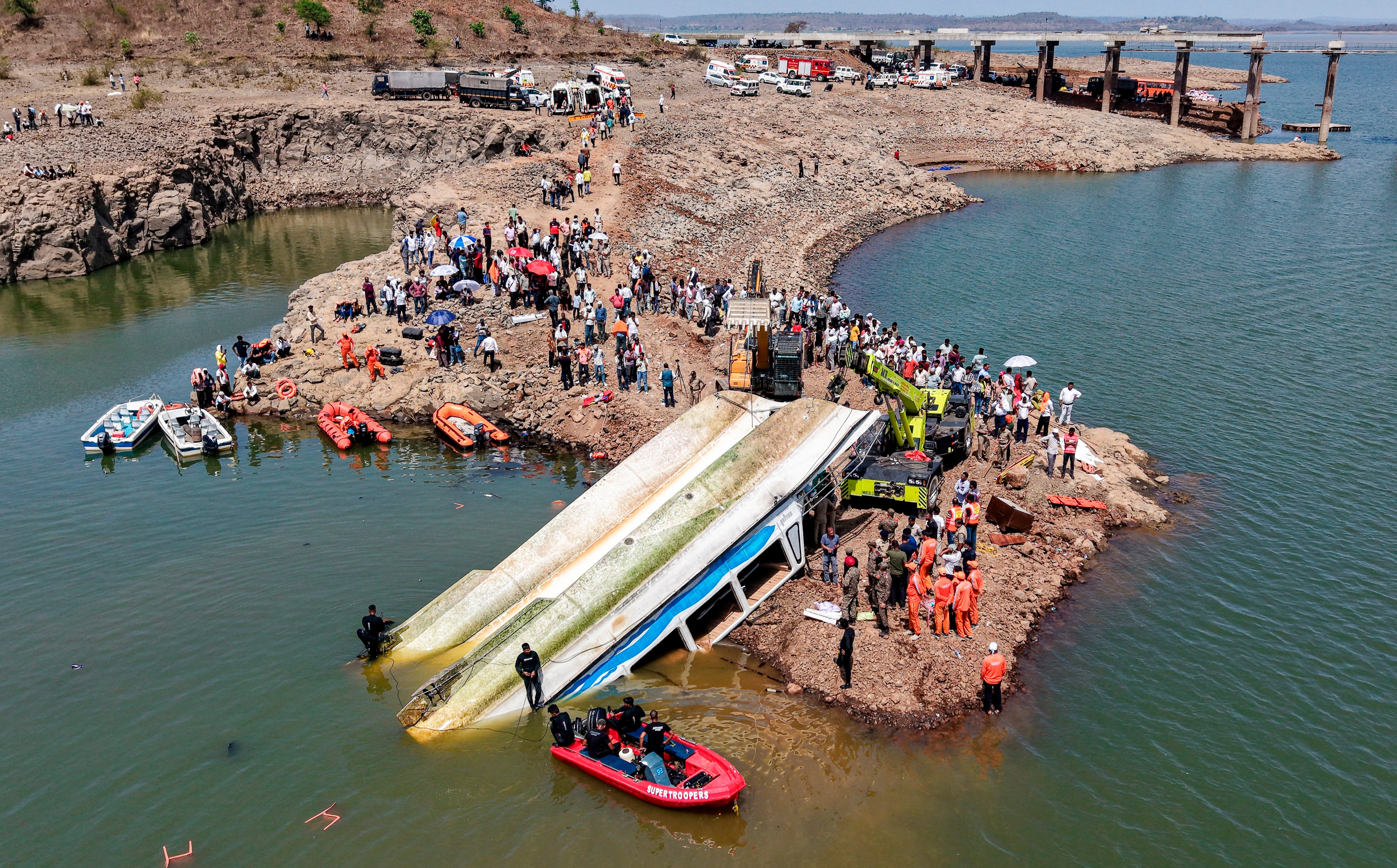
Bad weather and high-speed winds churn water in a reservoir, and ferry-ride turns fatal for a dozen people (many of whom were not wearing life jackets because the operator, who didn’t think the weather would turn as bad as the forecast warned, also didn’t think they were necessary).
A rollercoaster goes off rails in an amusement park, killing some on board, and some spectators (there are always spectators in India, no matter what’s happening).
Doctor goes for a walk on a rainy morning, falls into an open manhole, and drowns to death.
I could go on — but you get the picture.
I wonder if there’s an actuary who has actually calculated the probabilities of these accidental deaths (if yes, please do get in touch with me).
It could happen anytime, and to anyone.
One morning this week, as I was negotiating a particularly tricky stretch while walking my dog — actually not that tricky, some idiots had parked cars on the road — a Devi bus (remember the proper noun; they will become as infamous as the Blue Lines) avoiding some stray cattle, brushed past me; they are electric and you mostly can’t hear them coming. Six in the morning, six inches more, and this newsroom would have had a new editor.
As my favourite columnist Gopal Gandhi once said (many many years ago): “In the rest of the world, pedestrians have rights; in India, they have luck”. Out of the approximately 485 people who die on Indian roads every day (according to a reply in Parliament by the Union road transport ministry), 445 die on account of negligence (according to the National Crime Records Bureau’s just released report for 2024).
And so it goes.
Permutations and combinations
Months ago, at a state lunch for a visiting head of state, I met the owner of one of Tamil Nadu’s largest newspapers. With Tamil Nadu elections due in the summer, we talked of the chances of the various groupings. He thought C Joseph Vijay’s Tamilaga Vettri Kazhagam would make a difference; I was dismissive of the actor’s chances. Sure, he would end up with a vote share in the low double digits, I remember saying, but he would make no appreciable dent in the seat share of the main parties. I was, clearly, very wrong.
A combination of personal charisma, especially in terms of appeal to young voters, anti-incumbency against the Dravida Munnetra Kazhagam, and a perception that the incumbent’s traditional rival, the All India Anna Dravid Munnetra Kazhagam was, a. weak and b. in bed with the larger enemy (the Bharatiya Janata Party) made the TVK the single-largest party in the state, although it is still short of the simple majority required to form the government.
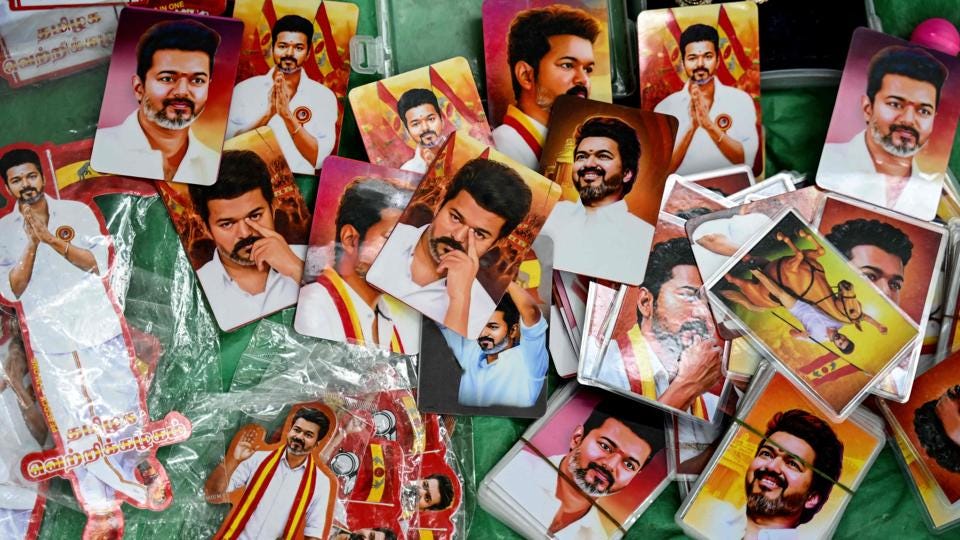
Cambridge research fellow Karthick Ram Manoharan summed up the reasons for Vijay’s success in an Op-Ed titled “A Dravidian mutation in Tamil Nadu called TVK”. No one could have put it better.
HT’s data team found that Vijay’s candidates were closer in age to Tamil Nadu’s median age (and likely still closer to that of voters in the state, since that sub-set will leave out those below the age of 18).
The conduct of Tamil Nadu Governor Rajendra Arkelar after the results raised more questions than it answered. Ignoring precedence and established jurisprudence, he didn’t invite Vijay to form the government and then prove his majority on the floor of the house — insisting that the actor prima facie prove a majority before being invited to form the government. This resulted in wholesale confusion in the state.
HT’s national legal editor Utkarsh Anand’s explainer suggests that jurisprudence itself may have created the grey areas that Arlekar has used to justify his actions.
By Friday evening, there was some clarity, with the CPI and CPI(M) agreeing to support TVK (which already has the support of the Congress) The TVK is still marginally short but the VCK is widely expected to come on board Saturday. But there’s been a lot of reckless speculation. Since the majority mark can mathematically be reached in many ways, analysts and commentators abandoned all sense of history, context, and ideology in their desire to predict who would ally with whom.
Statistical significance
The disenfranchisement of millions in West Bengal, engineered through the special intensive revision (SIR) of electoral rolls , was one of the most grievous blows to Indian democracy.
But as HT’s analysis showed, there was no correlation between the exclusions and the outcome of the assembly elections in the state , in which the Bharatiya Janata Party swept to power. Strong communal polarisation and an anti-incumbency wave were the main factors behind the result.
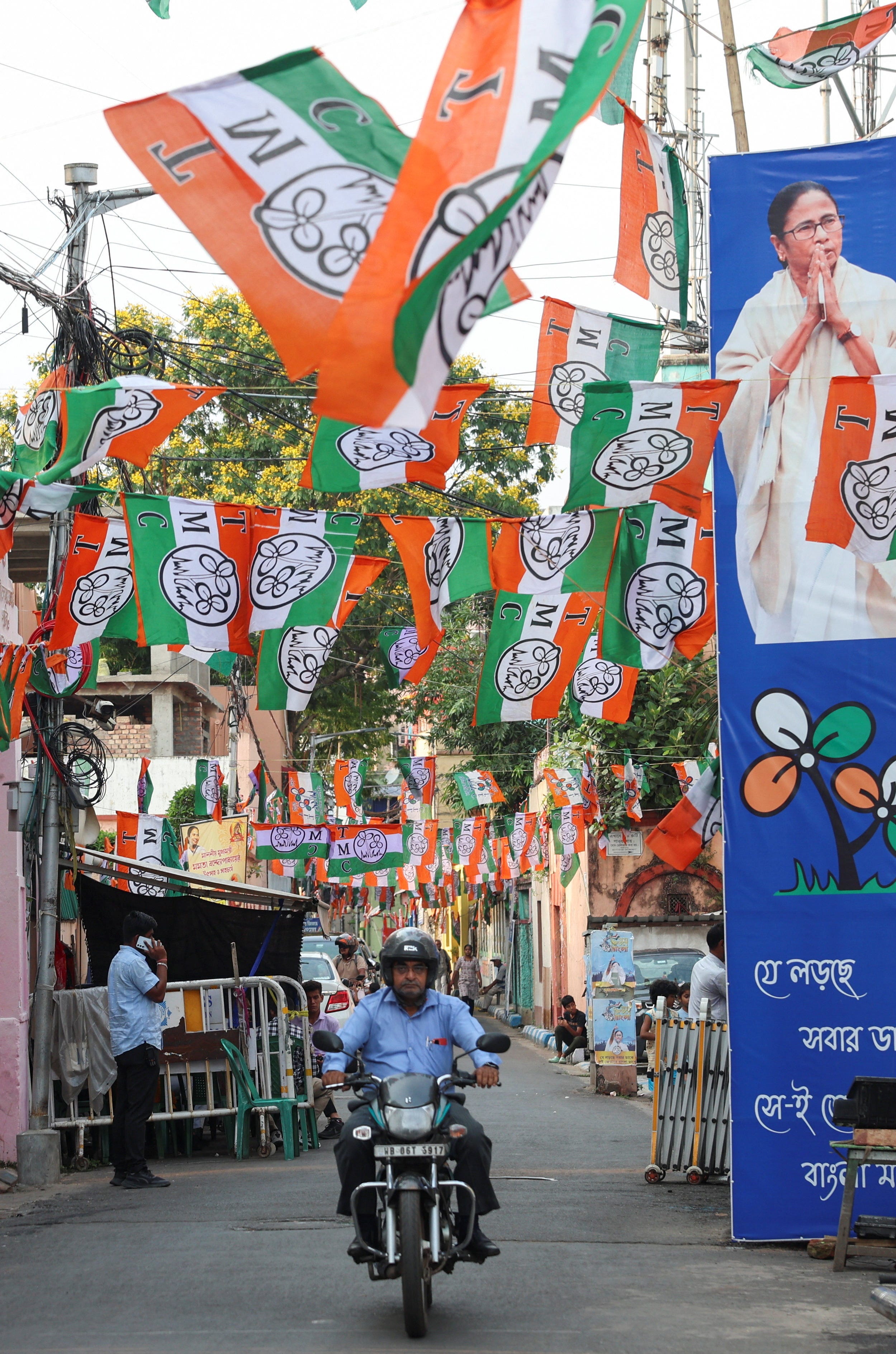
Indeed, as a second analysis showed, the big problem for the losing TMC weren’t the Muslims excluded by SIR, but those who stayed on the rolls and moved away from the party.
#2 Birder
The most famous birder in the world right now, and also the person who has seen the second highest number of species (9935) — I don’t know him but I do know of the person at #1, Peter Kaestner (10036 species) who has a strong Indian connection — is a retired oncologist, Stephen Kornfeld, who has, by default, become the doctor in charge on the MV Hondius, which has seen an outbreak of the Hantavirus (unfortunately, the Andes strain that can be transmitted between humans).

Kornfeld is fine (so far); the ship is expected to dock in the Canary Islands this weekend, and he has managed to get some birding done despite his sudden medical duties.